What if they are treated well?However well they are treated, they are still being used. That is the wrong.
What if they aren’t killed?The wrong is the use itself. It happens even when no one dies.
What if it benefits them?Saying it’s good for them doesn’t change who it serves. It is still use.
What about crop deaths?Animals killed as crops are grown aren’t being exploited. Their deaths are tragic, but no one is being used.
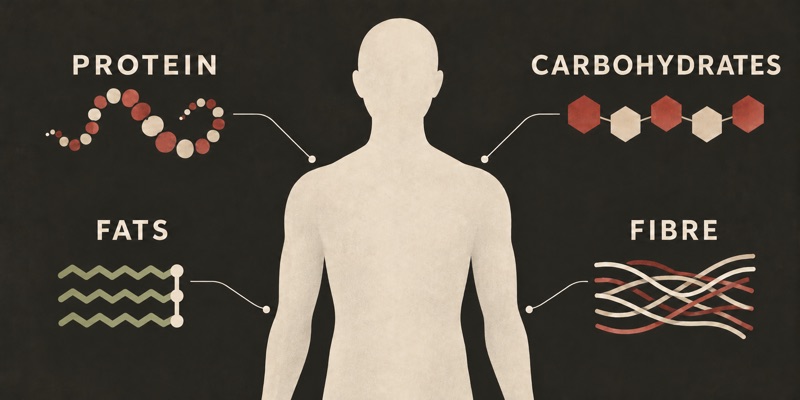
What about nutrition?Veganism isn’t a diet. But a plant diet is one of its outcomes, and it meets every nutritional need.
What about survival?Extreme situations can push anyone past their limits. They don’t change what is right.
What about animals who eat other animals?Other animals aren’t moral agents. Morality is about what we, who can choose, owe to them.
What about animal research?Research on animals treats someone as a tool. Good intentions don’t change that.
What about horses and sport?Riding, racing and showing are use, even when done gently and no one dies.
What about “pets”?“Pet” is a demeaning word. Cats and dogs have been bred to depend on us. They need emancipation too.
What about insects?The principle doesn’t change with size. Taking honey from bees is use.
What about fish?The principle doesn’t change underwater. Fish are not ours to use.However well they are treated, they are still being used. That is the wrong.
Welfare asks how animals should be treated while we use them. Veganism asks whether anyone has the right to use them at all. Better conditions only make the use feel acceptable, and that helps it last. A kind master is still a master. The wrong is not how they are treated. It is that they are used.
Welfare and veganism are not two steps on the same road. They point in opposite directions. A “cage-free” label does not tell anyone to stop using animals. It teaches that the use was never the problem, only the conditions. That is the trap.
The organisations paid to improve conditions need the use to continue. Their certifications give it moral cover, and buyers feel absolved. People who donate in good faith are not wrong to care. They are wrong about what their money changes.
Abolition asks something else. It names the belief that animals are ours to use, and challenges it directly. As Leslie Cross wrote in 1951, veganism is “not so much welfare as liberation”.
The wrong is the use itself. It happens even when no one dies.
A hen whose eggs are taken is being used, even if she is never killed. So is a sheep whose wool is taken, or a goat who is milked. The wrong doesn’t start with a death. It starts the moment someone is treated as a means to human ends. One act of use, however gentle, is already the wrong.
In 1951, Leslie Cross wrote that one of the Vegan Society’s new rules made the meaning of exploitation clear. It pledged the Society to “seek to end the use of animals” for “food, commodities, work, hunting, vivisection, and all other uses involving exploitation of animal life”. The rule names uses, not deaths. Exploitation meant use.
Killing can be part of use, but it is not what makes use wrong. Cross traced the wrong to one idea: that we have “a moral right to use animals”. End every killing and that idea would still stand, and so would the use. Veganism rejects the idea itself.
Saying it’s good for them doesn’t change who it serves. It is still use.
People say a working dog loves her job, or that being useful gives an animal a purpose. Even if it seems good for her, the purpose is ours, not hers. She exists for herself, not to be useful to us. However it is described, it is still use.
Animals killed as crops are grown aren’t being exploited. Their deaths are tragic, but no one is being used.
Animals die when fields are ploughed and harvested, just as they do on roads and building sites. These deaths are tragic, but they are not exploitation: no animal’s life is being taken over and used for human benefit. Humans have to live, and living has consequences we can’t fully avoid. But accidents on building sites have never given anyone the right to enslave people. In the same way, deaths in a field give no one the right to use animals.
Using someone means owning them, taking from them, or making them work or perform for us. Roads, building and ploughing cause animal deaths too, but incidentally: no one is owned, taken from or put to work.
The crop-deaths question also says nothing about wool, zoos, riding or research, none of which has anything to do with growing crops. And deaths in a field give no human the right to use someone.
Veganism is not a contest over who harms least. It is the recognition that animals are not ours to use. Leslie Cross put it plainly in 1955: “What is wrong, according to veganism, may be summarised into one word: exploitation.”
Veganism isn’t a diet. But a plant diet is one of its outcomes, and it meets every nutritional need.
First, to be clear: veganism is not a diet. It is a principle — that animals are not ours to use — and eating plants is one natural outcome of it. Nutrition doesn’t decide whether that principle is right. But whether people can live well on plants is a fair question.
They can. The Academy of Nutrition and Dietetics, the world’s largest organisation of nutrition professionals, states that appropriately planned plant diets are “healthful, nutritionally adequate” and “appropriate for all stages of the life cycle, including pregnancy, lactation, infancy, childhood, adolescence, older adulthood, and for athletes.” The NHS says that with good planning “you can get all the nutrients your body needs.”
Every diet has nutrients worth paying attention to. UK government advice is that everyone should consider a daily vitamin D supplement in autumn and winter, whatever they eat. Salt is iodised, flour and breakfast cereals are fortified, and multivitamins are sold to everyone: fortified foods and supplements were made to help all people meet their needs, not for people who live on plants.
Vitamin B12 is one example among many. It is made by bacteria, not by animals; people on every kind of diet can run low in it, and other animals who humans exploit are often given it in their feed. Like anyone else, people who live on plants can get it from fortified foods or a supplement.
So whatever anyone eats, it is worth knowing what your body needs. How closely someone looks after their health is their own choice. Living on plants is perfectly healthy, and nutrition gives no one a reason to use animals.
Melina V, Craig W, Levin S. “Position of the Academy of Nutrition and Dietetics: Vegetarian Diets.” Journal of the Academy of Nutrition and Dietetics, 2016;116(12):1970–1980.
NHS. “The vegan diet.”
NHS. “Vitamin D.”
British Dietetic Association. “Vegetarian, vegan and plant-based diet” food fact sheet.
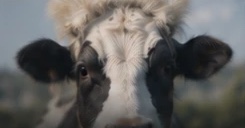
Extreme situations can push anyone past their limits. They don’t change what is right.
People sometimes ask: what if you were stranded on an island and had to eat an animal to survive? Dilemmas like this are real, but they don’t change principles.
Imagine being stranded with another person, and the only way to survive is to eat them. Someone who refuses is perfectly understandable. Someone who does it to survive hasn’t come to believe in cannibalism; when they get home, the principle is exactly where it was. We see what happened as a desperate failure under impossible pressure, not a new rule to live by.
The same is true for other animals. A survival scenario tells us nothing about everyday life, where no one needs to use animals at all. For almost everyone, veganism asks for no sacrifice of that kind. It begins with how we see other animals.
Other animals aren’t moral agents. Morality is about what we, who can choose, owe to them.
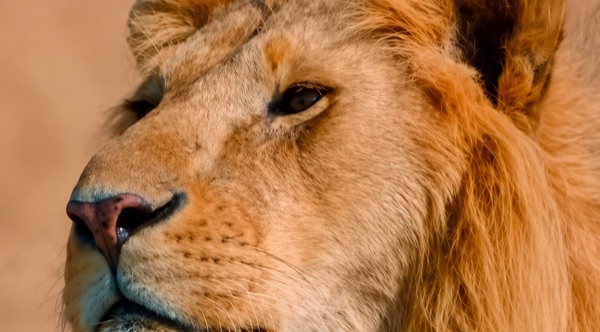
A lion who kills to eat isn’t doing wrong, because a lion can’t do wrong. Other animals are moral patients: they can be wronged, but they can’t weigh right against wrong or be held responsible for what they do. We think about a three-year-old child in the same way.
Humans are moral agents. We can reflect on what we do and choose otherwise, and that is why the question of how we treat others is ours to answer.
We don’t take our morals from what other animals do. Some kill the young of rivals or force mating, and no one thinks that justifies people doing the same. Nature works as it does, and it isn’t ours to manage. But morality is about our choices, not theirs, and unlike a lion, we don’t need to use anyone to live.
Research on animals treats someone as a tool. Good intentions don’t change that.
A mouse or rat in a laboratory is being used as a tool, whatever the goal. Hope for a cure doesn’t change what is happening: someone is being used. Calling it “necessary” or “humane” changes the words, not the relationship. No human has the right to use them.
Research on animals isn’t a separate problem needing its own campaign. It is one more use, resting on the same belief as every other: that animals are ours to use. End that belief, and their status as property, and research on them has nothing left to stand on.
Reform leaves that belief in place. Bigger cages and welfare rules change how animals are used, not whether they are, so the reforming never ends. A vegan world doesn’t reform research on animals. It ends it. No question, however urgent, is answered by using someone.
In 1955 Leslie Cross said that veganism “would, for example, result in the abolition of vivisection, of hunting, and all other forms of exploiting animals.”
Riding, racing and showing are use, even when done gently and no one dies.
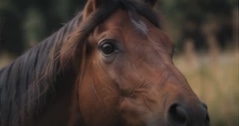
A horse who is ridden, raced or shown is being used: for sport, entertainment, work or status. A gentle hand and a long life don’t change that. He exists for himself, not to carry us or win for us. Gentle use is still use.
“Pet” is a demeaning word. Cats and dogs have been bred to depend on us. They need emancipation too.
“Pet” names someone by what they are for us. Over generations, we have bred cats and dogs to depend on us, and we still breed them to serve our purposes: company, comfort, filling an emotional gap. For them, that is a crisis: they cannot live on their own terms. Those already here have nowhere else to go, much like refugees, so we have to look after them. But never buy or breed an animal, and never see anyone as there to serve your purposes. They need emancipation too.
The principle doesn’t change with size. Taking honey from bees is use.
Veganism asks one question: does this involve animal use? Honeybees make honey to feed their colony, not for us. Taking it treats them as a resource, however small they are and however gently it is done.
The principle doesn’t change underwater. Fish are not ours to use.
A fish lives her own life, for her own reasons, not to be caught or farmed. Calling her flesh “seafood” doesn’t change whose body it is. Using a fish is using someone, as it is with any other animal.
Treated well, never killed, used “for their own good”: in every case, someone is still being used as a means to human ends. The wrong is not cruelty. It is the belief that we have the right to use them at all. No human does.